Low Water Pressure? Common Causes and How to Fix Them
Struggling with weak showers and slow-filling sinks? Learn the most common causes of low water pressure in Irish homes and what you can do to fix them.
Emergency Plumber Athlone
13 October 2025
We constantly speak with smart homeowners who are frustrated by a shower that produces a feeble trickle instead of a decent flow. That daily annoyance is actually a clear indicator of your plumbing system’s general health. Our service team knows that a sudden drop in flow often points directly to local network upgrades or hidden mineral buildup.
Low water pressure is a surprisingly common problem in Irish homes.
We see a direct link between recent Uisce Éireann network adjustments and regional flow fluctuations. This data highlights why a proper diagnosis is absolutely essential. We will break down the exact reasons this is happening and walk through the proven workarounds.
Understanding “Low Water Pressure? Common Causes and How to Fix Them” empowers you to make the most cost-effective repair choices. Let’s look at the data, what it is actually telling us, and explore a few practical ways to respond.
Understanding Water Pressure in Irish Homes
Before examining the specific problems, you need to understand how water actually reaches your taps. Ireland primarily relies on two main types of domestic supply setups.
Gravity-Fed Systems
We encounter gravity-fed systems in the vast majority of older Irish properties. Cold water from the mains fills an attic water tank that usually sits in the attic. Gravity then pushes the water down to your taps, shower, and hot water cylinder.
The resulting flow depends entirely on the height difference between the storage tank and the outlet. Upper-floor taps naturally suffer from weaker flow because there is less height difference. Bungalows are particularly prone to this issue since the attic tank might only be a metre above the bathroom ceiling.
Mains-Fed Systems (Unvented)
Our engineers frequently see unvented systems in newer builds and renovated properties across the country. Water comes directly from the public mains without relying on a bulky storage tank.
These modern setups generally provide excellent flow. They completely depend on the local network maintaining adequate force to function properly.
Combi Boiler Systems
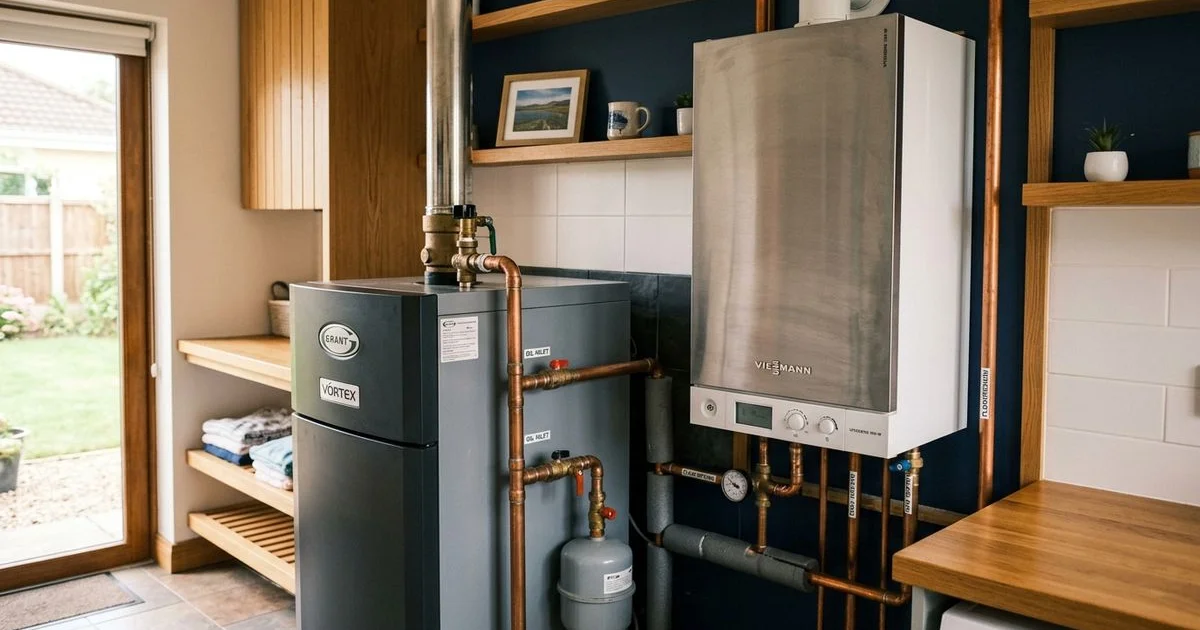
We recommend combi boilers for homes that need hot water instantly at mains pressure. A healthy combi boiler should read between 1.0 and 1.5 bar on the pressure gauge when cold.
That number expands up to 2.0 bar when the heating activates. Our technicians note that if the reading drops below 0.5 bar, an internal sensor will trigger a safety lockout and shut the boiler down completely.
Common Causes of Low Water Pressure
1. Low Mains Pressure
We often trace weak flow at the kitchen cold tap directly back to the public mains supply. Uisce Éireann is actively upgrading the national network through its Leakage Reduction Programme, a massive €10.3 billion infrastructure investment aiming to reduce national water loss to 25% by 2030.
Rural properties sitting at the end of long supply lines are highly susceptible to pressure fluctuations. Neighbours drawing water simultaneously during peak morning and evening hours will noticeably reduce your available flow.
What to do: Check with your neighbours to see if they are experiencing similar issues. A widespread problem should be reported to Uisce Éireann immediately. Our team suggests that if the issue is isolated to your property alone, the fault is likely internal.
2. A Partially Closed Stopcock
We find that a partially closed stopcock is a remarkably common and easily overlooked culprit. The internal stopcock controls the mains water entering your home and usually lives under the kitchen sink or in a utility cupboard.
A restricted valve reduces flow to every single outlet in the house. Plumbers sometimes forget to open it fully after completing routine maintenance, or items shoved into the utility cupboard can knock the valve out of position.
What to do: Locate your stopcock and turn it fully anticlockwise to ensure it is completely open. A great pro-tip is to open it fully and then turn it back clockwise by a quarter turn to prevent the mechanism from seizing over time. You must replace stiff or leaking valves immediately for safety.
3. Clogged or Corroded Pipes
Our plumbers frequently discover severe corrosion inside the galvanised steel pipes of homes built before the 1980s. Mineral deposits build up inside the metal over decades of daily use.
This internal plaque narrows the pipe diameter and drastically restricts the amount of water that can pass through. Homeowners rarely notice the gradual decline until the restriction becomes severe.
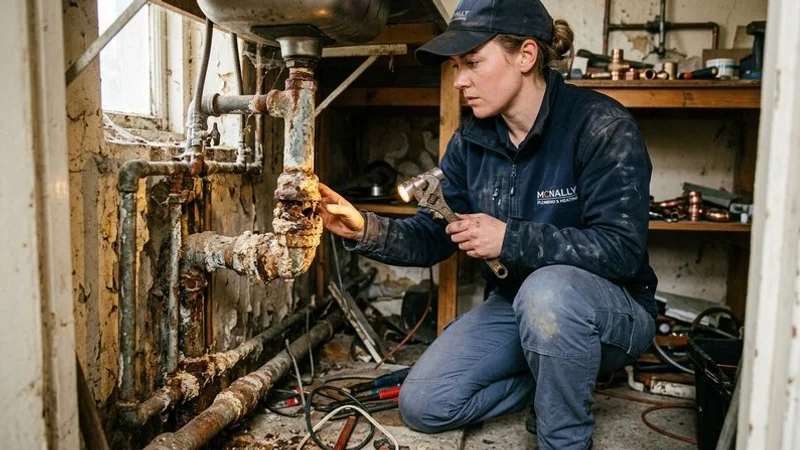
What to do: Have a professional inspect the system if you suspect internal corrosion. We can sometimes replace individual sections of the pipework to restore flow. A full repipe using modern copper or plastic materials is necessary in severe cases, but these new materials will last for decades.
4. The Cold Water Tank Is Too Low
We know that the height of your attic tank directly dictates the flow in a gravity-fed system. A tank sitting flush on the attic floor provides significantly less force than one elevated on a sturdy platform.
Upper-floor bathrooms suffer the most from a low-sitting tank.
What to do: Ask a plumber to build a simple raised platform for the tank. Raising the unit by just half a metre creates a larger head of water and makes a highly noticeable difference downstairs.
5. Blocked Showerhead or Tap Aerator
We always check the showerhead first when the flow issue is isolated to a single fixture. Hard water regions across Ireland cause limescale and debris to build up inside aerators very quickly.
These tiny mineral deposits block the small holes and ruin the spray pattern.
What to do: Unscrew the affected fixture and place it inside a plastic bag filled with white vinegar and baking soda. Leaving it to soak overnight dissolves the stubborn limescale completely. Use a small pin to clear any remaining debris before rinsing and refitting the unit.
6. Faulty Pressure Reducing Valve
Our technicians sometimes encounter properties fitted with a pressure reducing valve (PRV) on the incoming mains line. This specific valve protects internal plumbing from excessively high external forces.
A failing PRV or one set incorrectly will choke your supply far more than necessary.
What to do: Have a certified plumber test the PRV reading. We can adjust the settings or swap out a faulty unit to restore normal function.
7. Shared Supply Pipes
We regularly service older housing estates and rural areas where multiple properties share a single cast-iron supply pipe. Your available flow drops significantly when several homes draw from the same line simultaneously.
Uisce Éireann is currently addressing this in regions like Ballymahon and Oola with dedicated replacement programmes running through 2026.
What to do: Check the Uisce Éireann website to see if your area is scheduled for an imminent network upgrade. Installing a booster unit is an excellent interim solution to compensate for the shared drain on the system.
Solutions for Persistent Low Pressure
You have several substantial upgrade paths available if the basic troubleshooting steps do not resolve the problem.
Shower Pump
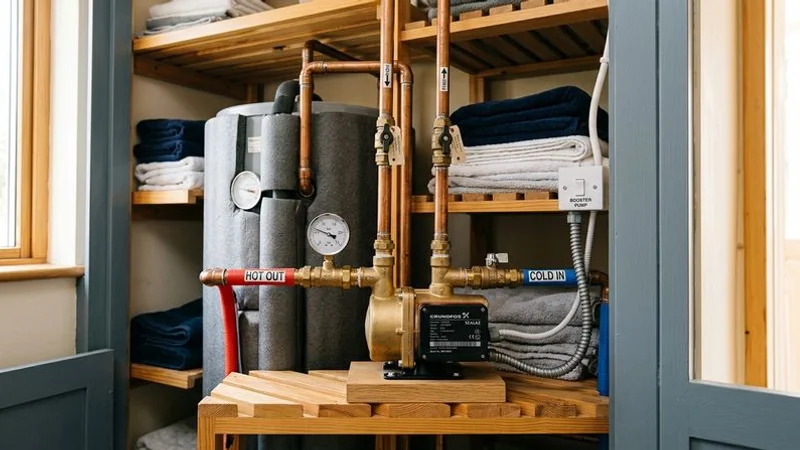
We highly recommend a shower booster pump to transform a weak dribble into a powerful spray. This dedicated mechanical unit sits in your hot press or attic and actively forces water to the fixtures.
You can choose from two main categories based on your needs:
- Single impeller pumps: These boost either hot or cold water and work perfectly if only one line lacks force.
- Twin impeller pumps: These boost both hot and cold lines simultaneously and remain the most popular choice.
Our installers note that replacing or fitting a new unit typically costs between €750 and €1,350 in 2026. The final price heavily depends on the brand you select, such as Salamander or Stuart Turner, and the complexity of your existing pipework.
Whole-House Booster Pump
We install whole-house booster units when the flow is inadequate across every single tap in the property. These powerful units sit on the incoming mains supply and push the flow to an acceptable level everywhere.
Rural properties with consistently weak external mains benefit immensely from this upgrade. Irish regulations usually require a break tank for these systems, as pumping directly from the public mains is legally restricted.
Convert to an Unvented System
Our team suggests converting to an unvented system if you are looking for a permanent, premium upgrade. This modern approach eliminates the gravity-fed attic tank entirely and stores hot water in a pressurised hot water cylinder at direct mains pressure.
You gain a strong, consistent flow at every tap while freeing up valuable storage space under the roof.
This significant project requires a fully qualified plumber to design and certify the installation. The dramatic improvement in daily comfort makes it a highly worthwhile investment for most homeowners.
Quick Diagnostic Checklist
We designed this quick checklist to help you narrow down the exact cause of your flow issues. Exploring “Low Water Pressure? Common Causes and How to Fix Them” starts with observing your own fixtures. Work through these steps before calling for help:
- Test multiple locations: Check if the issue affects the whole house or just one specific fixture. A single weak tap usually points to a blocked aerator.
- Examine the kitchen cold tap: This tap connects directly to the public mains. A weak flow here strongly suggests an external network issue or a closed stopcock.
- Inspect the internal stopcock: Turn the valve fully anticlockwise to ensure it is completely open.
- Review recent repairs: Consider if any plumbing work took place recently. Debris from the job or a partially closed valve could easily restrict the flow.
- Monitor the time of day: Peak-time drops usually indicate a shared supply pipe or heavy demand on the local network.
- Check your pipe age: Homes built before 1980 with original metal pipes are highly susceptible to internal corrosion.
- Identify your system type: Gravity-fed systems inherently limit the force available to upper-floor bathrooms based on the tank height.
When to Call a Professional
We understand that while some flow issues require just a quick vinegar soak, others point to serious infrastructure problems. Basic troubleshooting is an excellent starting point for any homeowner. A qualified professional must take over if those simple fixes fail to restore your flow.
Safety Warning: Attempting major pipework changes or electrical pump installations without proper certification can void your home insurance and create severe water damage risks.
Our certified engineers at Emergency Plumber Athlone bring years of hands-on experience to every single callout. Proper diagnostics save you money by preventing unnecessary replacements. Whether you need a brand new shower booster pump, replacement pipework, or a complete system conversion, we handle the entire process safely and efficiently.
Get Your Water Pressure Sorted
We know you should never have to put up with weak showers and slow-filling sinks.
Fast, professional help makes all the difference. Call us on 090-664 1014 for a comprehensive assessment today.
We proudly serve Athlone, Moate, Ballinasloe, Roscommon, and the wider County Westmeath area. Mastering the topic of “Low Water Pressure? Common Causes and How to Fix Them” is a great start, and we will ensure your system runs flawlessly.
Emergency Plumber Athlone
Plumbing & Heating Engineers
The team at Emergency Plumber Athlone have been providing dependable plumbing and heating services across County Westmeath, Roscommon, and East Galway since 2015. RGI registered and fully insured.
RGI Registered Gas Installer