Leaking Tap: Can You Fix It Yourself or Should You Call a Plumber?
A practical guide to diagnosing and fixing a leaking tap at home, plus when it makes sense to call a professional plumber. Covers washer, cartridge, and mixer taps.
Emergency Plumber Athlone
27 October 2025
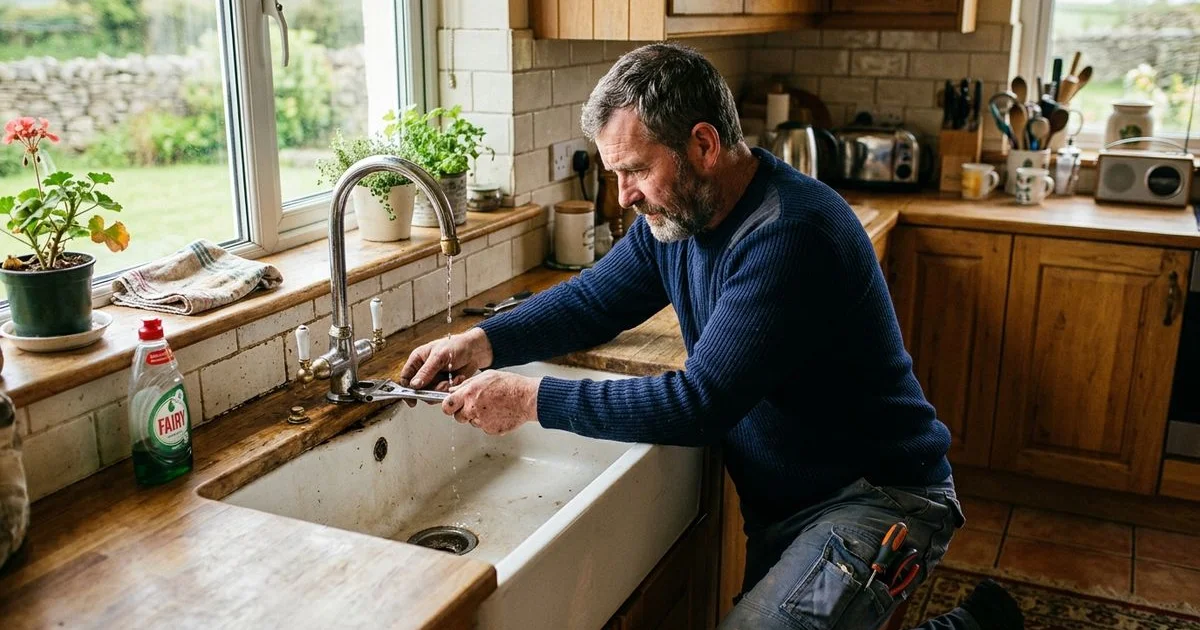
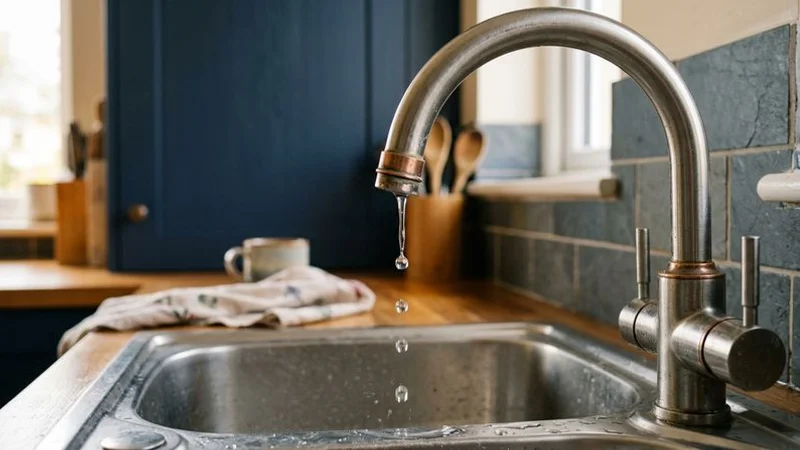
We often see homeowners ignore a small leak until it turns into a major plumbing emergency. That constant dripping in the middle of the night is an early warning sign of impending water damage. Our professional plumbing service team knows that a single dripping tap can waste over 5,400 litres of water per year.
This seemingly minor issue is literally washing your money down the drain.
We understand you are wondering whether to tackle this yourself or bring in an expert. The right choice depends entirely on your specific fixture and your comfort level with basic hand tools. Our guide will break down the common causes of leaks, explain the DIY fixes, and show you exactly when a professional is the safest option.
Why Do Taps Leak?
We find that understanding the root cause is the first step to solving any plumbing issue. Taps work by using an internal mechanism to control the flow of water from your mains. When you turn a tap off, an internal seal or valve closes against a seat to stop the water pressure.
Our experience shows that these seals simply wear out over time. The specific cause always depends on the exact type of fitting you have in your home.
Traditional (Pillar) Taps
These are the classic taps with separate hot and cold handles that you turn clockwise to close. Inside each tap is a rubber washer that presses against a brass seat to create a watertight seal.
We recommend checking the size carefully before buying replacement parts. Common washer sizes in Ireland include:
- 1/2 inch BSP: The standard size for most bathroom basin taps.
- 3/4 inch BSP: A larger size primarily used for bath filler taps.
Over time, this rubber washer hardens, cracks, or wears down completely. In some cases, the brass seat itself becomes scored or corroded from hard Irish water, meaning even a brand new washer will fail to seal properly.
Mixer Taps with Ceramic Disc Cartridges
Most modern kitchen and bathroom fixtures use ceramic disc cartridges instead of traditional rubber washers. These cartridges contain two polished ceramic discs that slide against each other to control water flow. Our plumbers frequently replace these when grit or limescale gets trapped between the delicate ceramic plates.
They are generally more durable than rubber washers but can still fail over years of daily use.
Monobloc Mixer Taps
These single-lever taps are incredibly common in modern Irish kitchens. They use a single cartridge mechanism that controls both water flow and temperature with one handle. We often see these drip from the spout or leak from the base when the internal O-rings perish. Premium models, like the popular Quooker boiling water taps which cost upwards of €1,200 in 2026, require specialist servicing when they begin to leak.
Ball Valve Taps
Less common in Ireland, these use a rotating ball mechanism with spring-loaded seals. Multiple internal parts can wear out simultaneously. This complexity makes them much more difficult to repair without a dedicated replacement kit.
Diagnosing the Leak
We always start our repairs by pinpointing the exact source of the water. Identifying the origin saves time and prevents you from buying the wrong replacement parts at your local hardware shop.
Here is a quick diagnostic guide based on where the water is appearing:
| Leak Location | Most Likely Cause | Required Action |
|---|---|---|
| Dripping from the spout (tap off) | Worn washer or faulty ceramic cartridge | Replace internal valve or cartridge |
| Leaking from the base of the tap | Failed O-ring or base seal | Replace base seals and check tightness |
| Leaking from the handle or spindle | Worn gland packing or spindle O-ring | Tighten gland nut or replace O-ring |
| Leaking from underneath the sink | Loose flexible hoses or compression fittings | Inspect supply pipes and tighten nuts |
What You Can Fix Yourself
We encourage capable DIY enthusiasts to attempt basic repairs if they have the right tools. There are several straightforward fixes that can save you the cost of a professional callout fee.
Replacing a Washer on a Traditional Tap
This is the most straightforward repair and an excellent starting point for beginners. You can pick up replacement washers for under €1 at stores like Woodie’s or Chadwicks.
What you will need:
- Adjustable spanner or a set of appropriately sized spanners
- Flathead and crosshead screwdrivers
- Replacement washer (take the old one to the shop to ensure an exact match)
- Dry cloth or towel
Steps:
- Turn off the water supply. Turn off the isolation valve beneath the sink, or shut off the main stopcock if no valve exists.
- Open the tap. This action releases any trapped water pressure in the pipes.
- Remove the handle. Pop off the decorative cap on top to reveal a retaining screw, then lift the handle away.
- Unscrew the headgear. Use your spanner to turn the large nut anticlockwise until the assembly comes free.
- Remove the old washer. Prize the old rubber off the pin at the bottom of the headgear.
- Reassemble. Fit the new washer, put everything back in reverse order, and test the water flow.
We suggest wrapping a cloth around the tap headgear before using the spanner to avoid scratching the chrome finish.
Replacing an O-Ring
If the leak is coming from around the base of the handle, the internal O-ring is likely the culprit. The process is remarkably similar to replacing a standard washer.
Our team advises taking the old rubber ring directly to the hardware shop. Sizing can be deceptive, and fitting an O-ring that is even a millimetre too thin will result in an immediate leak.
Tightening the Gland Nut
Sometimes water seeping around the moving spindle can be stopped without buying any parts at all. You can often fix this by tightening the gland nut a quarter turn with a spanner.
This simple action compresses the internal packing material to restore the watertight seal. We warn against overtightening, as this can make the handle completely stiff and unusable.
When to Call a Plumber
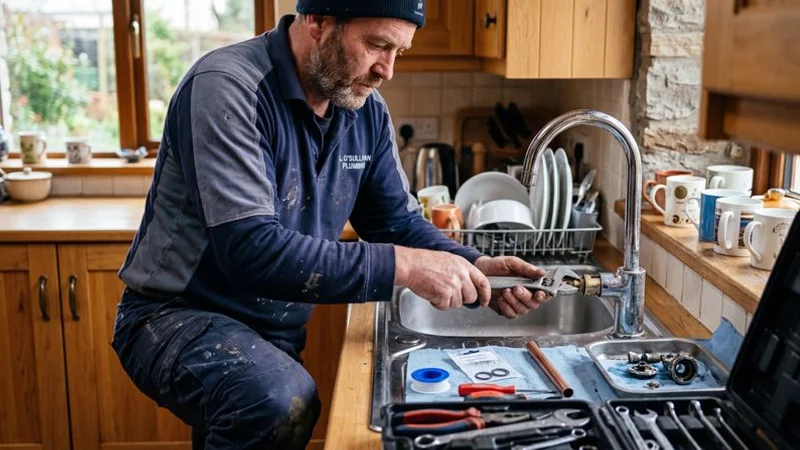
We step in when simple DIY fixes fail or when the job risks causing further property damage. While basic repairs are manageable, certain situations demand a trained professional with the right equipment.
The Tap Uses a Ceramic Cartridge
Ceramic cartridge replacement requires identifying the exact part for your specific fixture. Sourcing the correct cartridge is tricky because several measurements must perfectly match your handle.
Our plumbers check three critical dimensions before fitting a replacement:
- Diameter: Typically 35mm or 40mm in Ireland.
- Spline count: The number of tiny teeth on the top spindle (often 20 or 28).
- Body height: Ensuring the outer shroud fits back on perfectly.
Fitting the wrong size will leave your tap completely inoperable.
The Tap Seat Is Damaged
If you have replaced the washer but the dripping continues, the internal brass seat is likely scored. This specific damage requires a special seat grinding tool to smooth out the metal surface.
Most homeowners simply do not own this specialist equipment. A professional plumber can recut or replace the seat to restore a proper seal.
The Tap Is Old and Corroded
Older fixtures that have lacked maintenance are notoriously difficult to dismantle. Corroded nuts and seized spindles will often break under the pressure of a spanner.
Warning: Applying excessive force to a stubborn, corroded tap risks cracking the brass body or twisting the delicate pipework underneath the sink.
We frequently see DIY attempts turn a minor repair into a highly expensive replacement job.
You Cannot Find the Isolation Valve
If you cannot locate the isolation valve, you will have to turn off the mains water to the entire property. The main stopcock is often located under the kitchen sink or out on the street, and these can easily seize up over time.
It is much safer to let an expert handle a stiff mains valve to avoid snapping it.
The Leak Is Under the Sink
Water pooling from the supply connections beneath the basin indicates a more severe plumbing fault. Hidden leaks cause significant structural issues, including mould growth and rotting floorboards.
Our technicians always check the flexible hoses, as these degrade over time and can suddenly burst under pressure. Have any persistent dampness investigated immediately.
You Want a New Tap Fitted
Sometimes replacing an old, leaking fixture with a brand new model from reliable brands like Franke or Grohe makes more financial sense. An incorrectly fitted installation can cause slow leaks that destroy your kitchen cabinets over several months.
We know that a professional installation provides several immediate benefits:
- Guaranteed watertight supply connections.
- Protection of your manufacturer warranty.
- Proper alignment and securing to the sink base.
Typical callout fees in Ireland currently average €95 for the first hour, making an expert installation a smart investment for total peace of mind.
The Cost of Ignoring a Dripping Tap
We strongly advise against ignoring a slow drip, as the financial and structural costs escalate rapidly. What seems like a minor annoyance today will inevitably become a major headache tomorrow.
Consider these significant consequences of delaying a repair:
- Water waste: A tap dripping once per second wastes roughly 15 litres per day.
- Excess use charges: In 2026, Uisce Éireann has proposed a threshold of 213,000 litres per year for domestic users. Exceeding this allowance due to a continuous leak could result in excess usage charges of up to €500.
- Property damage: A steady trickle erodes grout, stains ceramic sinks, and causes hidden rot in wooden cabinetry.
- System strain: Homes operating on a private well will waste electricity running the shower and booster pump constantly to maintain pressure.
Preventative Tips
We always share a few simple maintenance habits with our clients to help extend the life of their fixtures. Prevention is significantly cheaper than calling us out for an emergency repair.
- Do not overtighten the handles. Many people instinctively crank handles closed as tightly as possible. Turn the fitting just until the water stops flowing to avoid crushing the internal seals.
- Fix drips early. A minor drip is a very cheap problem to solve. A fixture left dripping for months will suffer irreversible damage to the brass seating.
- Fit isolation valves. If your supply pipes lack isolation valves, ask a professional to install them during your next service. They cost very little and allow you to isolate a single sink without turning off the water to the whole house.
- Manage limescale buildup. Hard water is common in many parts of Ireland and destroys ceramic cartridges quickly. Regularly cleaning the aerator spout helps maintain a smooth, unrestricted flow.
Need Help With a Leaking Tap?
If you have a dripping tap that you cannot fix yourself, or if you would prefer a professional to handle it cleanly, we are ready to assist. At Emergency Plumber Athlone, we handle everything from basic washer replacements to complete tap and mixer installations across Athlone, Moate, Ballinasloe, Roscommon, and the surrounding areas.
Give us a call on 090-664 1014 and we will have it sorted for you, usually the same day.
Emergency Plumber Athlone
Plumbing & Heating Engineers
The team at Emergency Plumber Athlone have been providing dependable plumbing and heating services across County Westmeath, Roscommon, and East Galway since 2015. RGI registered and fully insured.
RGI Registered Gas Installer