How to Prevent Frozen Pipes During an Irish Winter
Frozen pipes are one of the most common causes of burst pipes in Ireland. Learn practical steps to protect your plumbing during cold weather and avoid costly water damage.
Emergency Plumber Athlone
2 March 2026
As plumbers who have spent over a decade repairing property damage across Athlone and the midlands, we often get asked how to prevent frozen pipes during an Irish winter. The most severe destruction rarely happens when a pipe initially freezes. Instead, the real catastrophe occurs during the thaw.
We see a sharp spike in emergency plumbing callouts the moment a cold snap breaks. Melting ice pours through cracked copper or plastic, and homeowners suddenly face a flooded kitchen or collapsed ceiling.
Fortunately, you can stop these disasters before they start.
Our team is going to break down the specific reasons Irish homes are vulnerable and walk through the exact preventative steps that actually work.
Why Do Pipes Freeze in Irish Homes?
Irish winters are relatively mild compared to northern Canada, so you might wonder why freezing water is such a widespread issue. The vulnerability lies in how older domestic properties were constructed.
Our technicians routinely see severe pipe bursts in houses built before the 1990s due to inadequate attic insulation. Plumbing lines running through these specific spaces face direct exposure to sub-zero air.
In the midlands, overnight temperatures frequently drop to -5 to -8 degrees Celsius during a January cold snap. Attic temperatures can fall even lower, turning exposed water into solid ice very quickly.
Here are the most common risk areas in an Irish home:
- Poorly insulated attics: Exposed pipes sit right above the ceiling joists in older properties.
- External wall routing: Cold concrete pulls heat away from the water supply line.
- Unheated utility rooms: Washing machine connections in garages lack ambient radiator heat.
- Vacant properties: Holiday homes and empty rentals lose all background warmth.
Step-by-Step Guide on How to Prevent Frozen Pipes During an Irish Winter
1. Insulate All Exposed Pipes
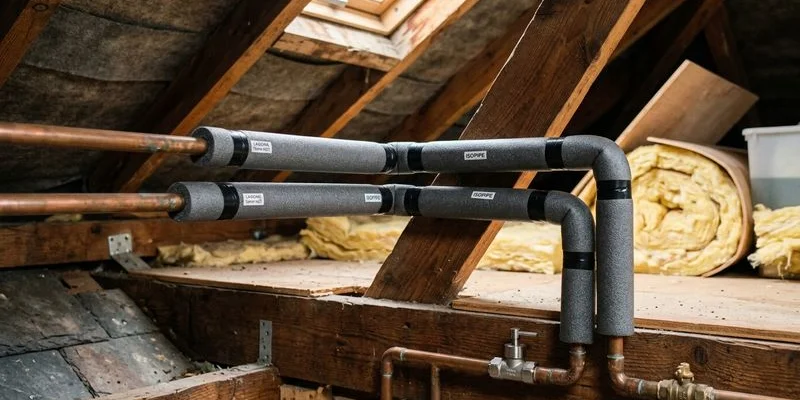
This is the single most effective action you can take to stop winter plumbing emergencies. Pipe insulation is inexpensive and available at any local hardware store like Chadwicks.
Our recommendation is to skip the standard 9mm lagging and purchase high-performance foam with a 19mm or 25mm wall thickness. Thicker products from brands like Tubolit or Armaflex provide double the protection against extreme freezing temperatures.
Ensure you cover these specific areas:
- Attic and loft plumbing lines
- Pipes mounted on external walls
- Garage and shed water supplies
- The attic water tanks cold water storage tank (leave the underside bare to catch rising heat)
- Outdoor tap connections
You must seal every gap at bends, T-joints, and valves. Exposed copper at a joint will freeze just as fast as an entirely uninsulated pipe.
2. Keep Your Heating On During Cold Spells
Maintaining a low ambient temperature is crucial when the weather forecast predicts severe frost. Set your thermostat to a minimum of 12 to 14 degrees Celsius to keep the air inside your walls above freezing.
Our advice is to leave this background heat running even if you leave for a weekend getaway. A 2025 industry report from Complete Plumbing Solutions estimated that repairing a burst pipe can cost an Irish homeowner anywhere from €500 to €2,000 depending on the severity of the damage.
Paying a few extra euros for gas or oil is vastly cheaper than replacing ruined carpets and drywall.
3. Open Attic Hatches on Very Cold Nights
Opening your loft hatch allows warmer air from the main house to drift upward. You only need to do this during severe weather warnings when temperatures threaten to dip below -3 degrees Celsius.
We suggest using this as a temporary emergency measure rather than a nightly habit. Leaving the hatch open constantly will drastically inflate your heating bills.
4. Let Taps Drip Slightly During Extreme Cold
Moving water resists freezing much better than standing water. You can leave a vulnerable tap running at a very slow drip overnight to keep the supply line active. The cold tap located furthest from your boiler usually sits in the highest risk zone.
Our team must highlight a specific warning regarding this method. The Heating and Plumbing Association of Ireland has previously cautioned that a slow drip can sometimes freeze inside an external drainpipe if the weather is cold enough. Monitor your sink to ensure the water is draining away cleanly.
5. Fix Draughts Around Pipes
Freezing drafts easily penetrate small gaps around plumbing entries. You must inspect the area where your main supply pipe enters through the kitchen wall.
We recommend using expanding foam or a high-quality silicone sealant to block these entry points. Check around air bricks, ventilation openings, and soil pipes exiting the exterior brickwork.
6. Install a Smart Water Leak Detector
Smart home technology offers a reliable safety net for vulnerable plumbing systems. You can install devices like the flowsafe Smart Water Valve or a PhoneWatch Water Leak Detector under sinks and near boilers.
Our engineers have seen these smart sensors instantly detect moisture and automatically shut off the main water supply. Stopping the flow immediately prevents a minor split from becoming a major flood.
7. Service Your Boiler Before Winter
A broken heating system during a January freeze will cause your internal house temperature to plummet rapidly. Cold air will reach your pipes within hours.
We highly encourage scheduling an annual service every September or October. An engineer will test the efficiency and safety devices to ensure everything handles the winter workload.
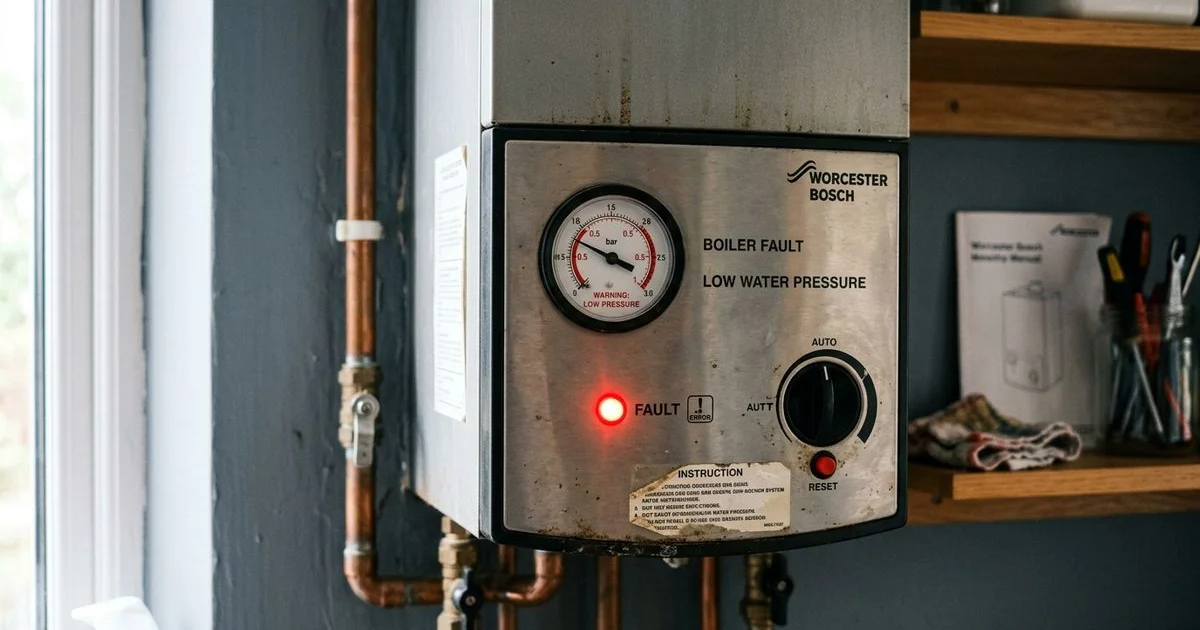
Our oil boiler service process includes a comprehensive inspection to catch imminent faults early. This proactive step ensures your home stays warm during the most vulnerable months of the year.
8. Know Where Your Stopcock Is
Turning off the water supply instantly is your best defense if a rupture occurs. A 2021 Foley’s Plumbing survey of Irish consumers revealed that nearly 5% of residents do not know how to shut off their incoming water.
Our experts advise testing the main stopcock under your kitchen sink every six months. You should call a professional to free the valve if it feels stiff or seized.
What to Do If Your Pipes Have Already Frozen
Identify the Frozen Pipe
A complete lack of water or a tiny trickle from the tap usually signals an ice blockage. You should inspect the coldest sections of your property first.
We always check these specific locations during a callout:
- The attic space
- Supply lines along external walls
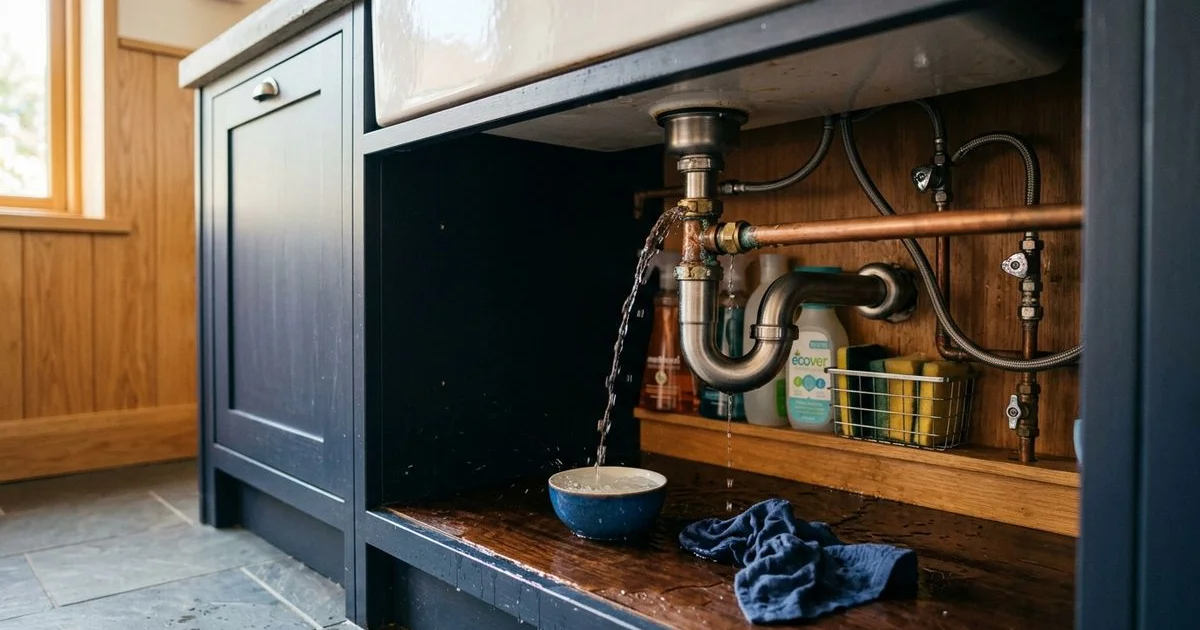
- Cabinets under sinks on outside walls
- The garage or unheated utility room
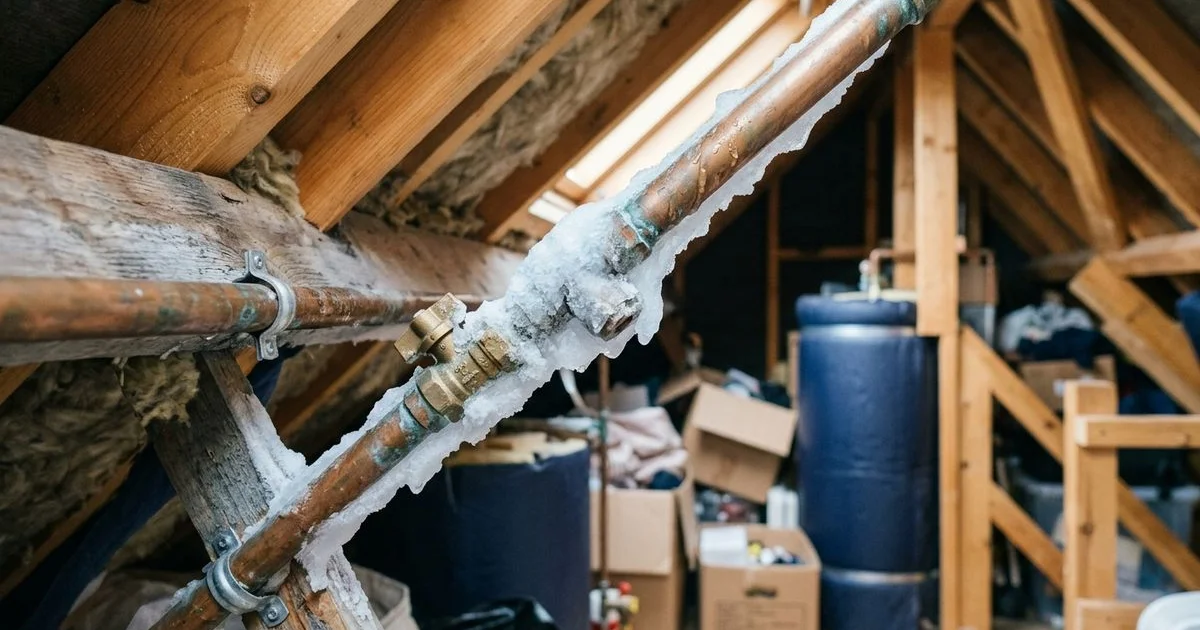
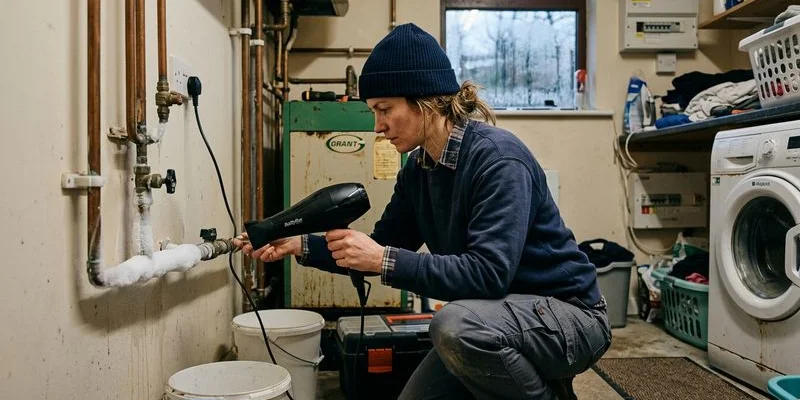
Run your hands along the accessible plumbing. A blocked section will feel significantly colder than the surrounding copper and might display visible white frost.
Thaw the Pipe Carefully
Applying gentle heat is the only safe way to melt the internal ice. You can wrap the affected area in towels soaked in warm water.
Our preferred DIY method is using a standard hairdryer on a medium setting. Start at the tap end and slowly work your way backward down the pipe.
Avoid these dangerous mistakes:
- Never use a blowtorch or heat gun.
- Do not pour boiling water directly onto cold copper.
- Never try to force a frozen valve to turn.
Check for Damage After Thawing
You must watch closely for drips as the ice melts and water pressure returns. The freezing process often cracks the metal or pushes joints apart.
We advise turning off the stopcock immediately if you spot any leaking water. Prompt action stops major flooding from ruining your ground floors.
Call a Professional If in Doubt
Hidden plumbing within walls or under floorboards requires professional attention.
Our response unit at Emergency Plumber Athlone can locate the blockage, thaw it safely, and fix any cracked sections during a single visit. Quick intervention prevents long-term structural damage.
Special Considerations for Irish Homes
Holiday Homes and Rental Properties
Vacant properties face the highest risk of catastrophic water damage. You must drain the entire system if a house will sit empty during the winter.
Our standard procedure is to turn off the mains water supply and open every tap until the lines run dry. You should also ensure the boiler is set to its frost protection mode.
Older Properties and SEAI Grants
Houses built before the 1980s usually lack modern thermal protection. Upgrading your roof insulation provides a massive defense against freezing temperatures.
The Sustainable Energy Authority of Ireland recently increased financial support for these upgrades under the 2026 Better Energy Homes scheme. Detached house owners can now claim up to €2,000 for attic insulation.
First-time buyers and those on qualifying welfare payments might be eligible to receive an enhanced grant of up to €2,500.
Apartment Blocks and Shared Buildings
Apartment dwellers often share common water supply lines outside their direct control. You must contact your management company immediately if your taps run dry.
Our teams frequently need to access shared service risers in apartment corridors to locate the frozen section. Coordinating with building management speeds up the repair process.
The Cost of Prevention vs. Repair
Taking preventative action is significantly cheaper than dealing with the aftermath of a flood. Let us compare the average expenses.
| Preventative Measure | Typical Cost |
|---|---|
| High-performance pipe insulation (DIY) | €30 to €80 |
| Attic insulation upgrade (After SEAI Grant) | €500 to €1,500 |
| Annual boiler service | €80 to €120 |
| Professional stopcock replacement | €80 to €150 |
| Repair After Burst Pipe | Typical Cost |
|---|---|
| Emergency callout and pipe repair | €150 to €400 |
| Basic water damage restoration | €1,000 to €5,000+ |
| Full replastering and repainting | €2,000 to €8,000+ |
| Replacing ruined furniture and electronics | Variable |
The financial reality is clear. Spending less than €100 on foam lagging can save you thousands in emergency repairs and insurance excess fees.
Be Ready Before the Cold Arrives
Learning how to prevent frozen pipes during an Irish winter requires taking action before the first frost hits the ground. Unpredictable weather can shift from a mild December to a severe January freeze without much warning.
Our technicians are ready to conduct a full winter readiness check on your system to give you complete peace of mind. A quick professional inspection catches weak points immediately.
Should a sudden freeze catch you off guard, our engineers are available 24/7 for emergency callouts across Athlone, Westmeath, Roscommon, and East Galway.
This guide was written by the team at Emergency Plumber Athlone, RGI registered plumbing and heating engineers with over a decade of experience protecting Irish homes from winter plumbing problems.
Emergency Plumber Athlone
Plumbing & Heating Engineers
The team at Emergency Plumber Athlone have been providing dependable plumbing and heating services across County Westmeath, Roscommon, and East Galway since 2015. RGI registered and fully insured.
RGI Registered Gas Installer