7 Ways to Reduce Your Heating Bills Without Replacing Your Boiler
Practical tips for Irish homeowners to cut heating costs without buying a new boiler. From power flushing to smart controls, save hundreds each year.
Emergency Plumber Athlone
10 November 2025
We know that seeing your energy bills climb is incredibly frustrating. The natural assumption for many is that a completely new boiler is the only fix. Our team at Emergency Plumber Athlone regularly visits homes where a simple adjustment saves thousands.
A major boiler replacement is a significant investment, typically costing between €2,500 and €5,500 depending on the setup. We have found that you do not always need to take that drastic step.
Heating makes up around 60 per cent of total energy use in most Irish households. Our guide will walk you through 7 ways to reduce your heating bills without replacing your boiler this winter. These practical steps are designed to help you regain control.
1. Get Your Heating System Power Flushed
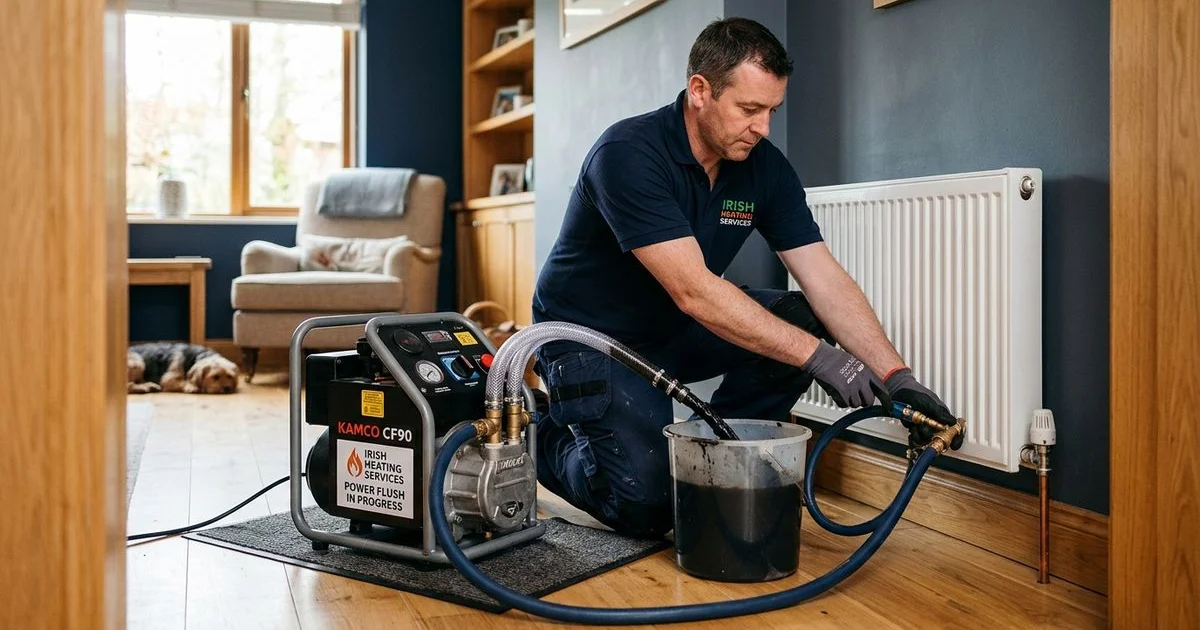
We often find that sluggish heating is caused by a build-up of dark, muddy sludge made up of iron oxide particles. This magnetite sludge settles at the bottom of radiators and restricts the flow of hot water. Our engineers know this forces your boiler to work harder and use more fuel to achieve the same temperature.
A professional power flush clears all this debris from the system, restoring proper flow and even heat distribution. The warning signs that your home needs a flush include:
- Radiators that are cold at the bottom but hot at the top.
- Excessive rattling or banging noises coming from your boiler.
- Dirty water escaping when you attempt to bleed a radiator.
Our current pricing data for 2026 shows the cost of a power flush in Ireland typically ranges from €300 to €700. Larger providers like Bord Gáis Energy start their pricing at €699. We highly recommend this service because the improved efficiency can save €100 to €200 per year on heating bills. Over the five to eight years before the next flush is needed, that adds up to a significant return on investment.
2. Upgrade Your Heating Controls
Our experience shows that running a heating system on a simple timer and a single hallway thermostat wastes a massive amount of energy. You are almost certainly heating rooms that do not need it. Upgrading your heating controls gives you precise management of when and where heat is delivered.
We advise looking into the Sustainable Energy Authority of Ireland (SEAI) grants for financial support. As of 2026, the SEAI provides a flat €700 grant towards upgrading your heating controls. This covers a new room thermostat, thermostatic radiator valves, and zone controls.
Programmable Room Thermostats
A programmable thermostat lets you set different temperatures for different times of the day. You might want 20 degrees in the evening when the family is home, but only 15 degrees overnight. Our data highlights that even a one-degree reduction in your thermostat setting can cut your heating bill by up to 10 per cent.
Thermostatic Radiator Valves (TRVs)
TRVs fit onto individual radiators and allow you to control the temperature in each room independently. Heating a spare bedroom to the same temperature as your living room is simply throwing money away. Our straightforward advice is to turn down or switch off radiators in rooms you rarely use.
Smart Thermostats
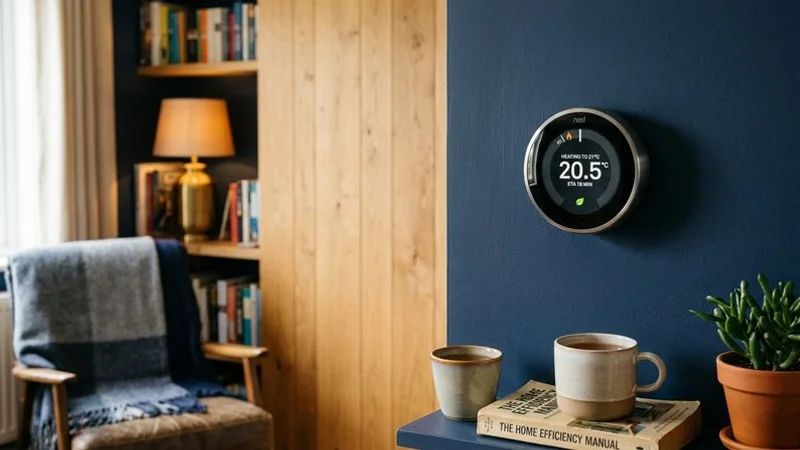
Smart thermostats from top brands like Hive, Google Nest, or Tado go a step further. These devices learn your routines and detect when you leave the house. They can be controlled remotely via your smartphone for ultimate convenience.
Our team regularly installs these popular smart models:
- Google Nest Learning Thermostat: Learns your schedule automatically and adjusts the temperature to save energy.
- Hive Thermostat: Extremely popular in Ireland for its easy integration with standard gas and oil boilers.
- Tado: Excellent for precise multi-zone control and detecting open windows.
3. Bleed Your Radiators Regularly
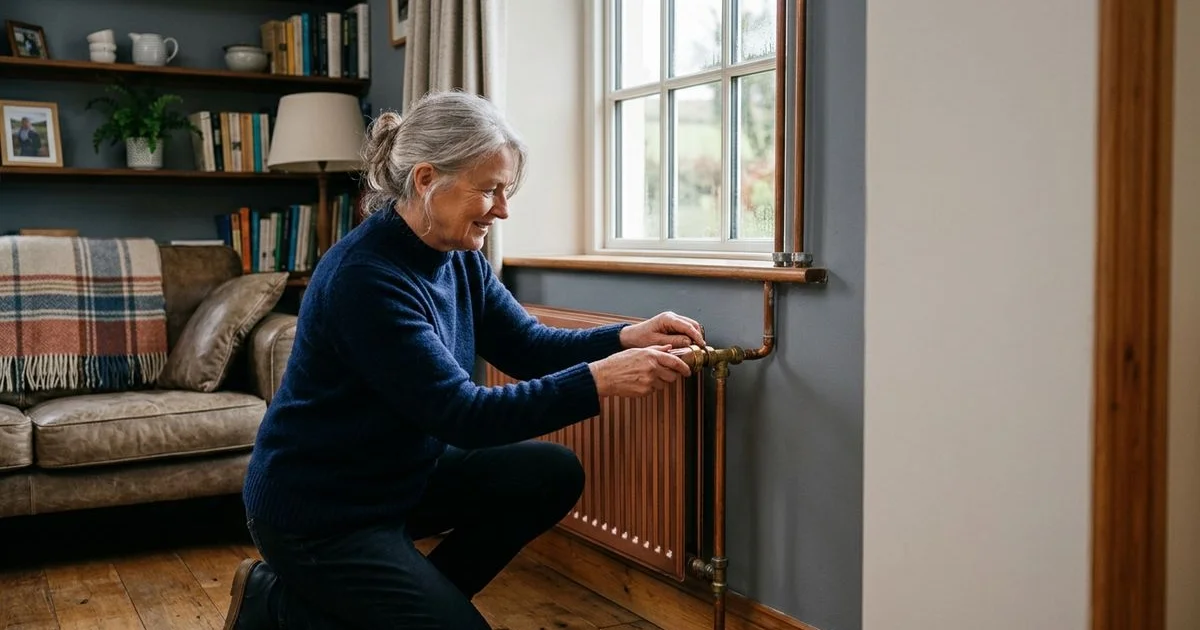
We recommend this fast maintenance task because it costs nothing and takes about 15 minutes. Trapped air in your radiators prevents hot water from filling the entire unit, creating cold spots at the top. Your boiler has to run longer to reach the desired temperature when radiators cannot emit their full heat.
Our technicians frequently see homeowners make one specific, dangerous mistake. People often try to bleed their radiators while the heating system is still running. The water inside is scalding hot and under pressure, meaning boiling water and steam could spray out and cause severe burns.
Always follow these steps for safe bleeding:
- Turn off your central heating system completely.
- Wait 30 to 45 minutes for all radiators to cool down.
- Use a radiator key to slowly open the bleed valve at the top of each radiator.
- Listen for air hissing out and close the valve once water starts to trickle steadily.
- Check your boiler pressure gauge afterwards, as it should ideally sit between 1 and 1.5 bar.
Our top tip is to start with the radiator closest to the boiler on the ground floor and work your way up. It is good practice to bleed your radiators at the start of every heating season, typically in September or October.
4. Insulate Your Hot Water Cylinder and Pipes
Our plumbers know that exposed pipes are a major source of heat loss in any home. Insulating a hot water cylinder with a proper jacket can save €20 to €40 per year. A cylinder jacket costs around €15 to €25 from any hardware shop and takes minutes to fit.
We also suggest insulating exposed pipes in unheated areas. Focus your pipe lagging efforts on these vulnerable spots:
- The attic space.
- Cold garages.
- Under the kitchen floorboards.
Uninsulated pipes present another massive risk during the winter months. Freezing temperatures are a common problem in the midlands during January and February.
Our emergency callouts drop significantly when homes have properly lagged pipes. Lagging drastically reduces the risk of pipes freezing and bursting, preventing catastrophic water damage.
5. Draught-Proof Your Home
We consistently notice that draughts are a leading cause of heat loss in older Irish homes. Cold air seeps in through gaps around doors, windows, letterboxes, and floorboards. Your heating system is forced to work overtime just to maintain a comfortable temperature.
According to the SEAI, proper draught-proofing can reduce heat loss by up to 15 per cent in a poorly sealed home. The materials typically cost less than €50 for an entire house.
Our favourite low-cost draught-proofing measures include:
- Doors: Fit draught excluders along the bottom and adhesive foam strips around the frame.
- Windows: Apply self-adhesive foam strips or silicone sealant around the frames.
- Letterboxes: Install a letterbox brush or flap to block cold air at the front door.
- Chimneys: Use a chimney balloon to prevent warm air from escaping up the flue of an unused fireplace.
These small upgrades make a noticeable difference almost immediately.
6. Service Your Boiler Annually
We cannot stress enough that a neglected boiler will never run at peak efficiency. Components wear out, burner nozzles clog, and heat exchanger surfaces become coated with deposits over time. A well-serviced boiler can be 10 to 15 per cent more efficient than one that has been ignored.
An annual gas boiler service in Ireland typically costs between €120 and €150 in 2026. Oil boiler services range from €90 to €150.
Our safety protocol dictates that you must ensure the technician is Registered Gas Installer (RGII) certified. This certification is a strict legal requirement in Ireland for any gas work. Beyond savings, an annual service is a critical safety measure.
Faulty boilers can produce carbon monoxide, a colourless and odourless gas. We track national safety statistics, and the dangers of carbon monoxide are very real:
- An average of six people in Ireland die each year from accidental CO poisoning.
- Many older boilers lack modern safety shut-off features.
- A qualified engineer will use flue gas testing equipment to check for dangerous leaks.
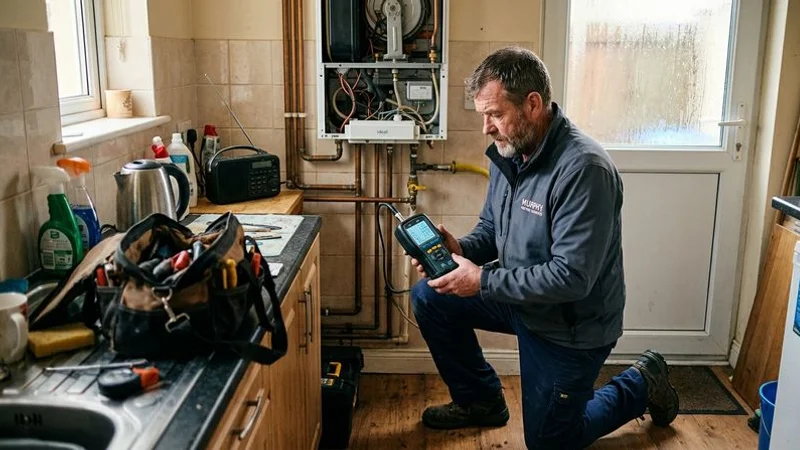
Protecting your family from this threat is worth the cost of an annual check.
7. Use Your Heating System More Wisely
We often tell customers that the biggest savings come from changing simple daily habits. Adjusting how you interact with your heating system requires zero financial investment.
Lower the Thermostat by One Degree
Our research shows that reducing your thermostat setting by just one degree can cut your heating bill by up to 10 per cent. A 2026 European study by Tado found that every 1 degree increase in thermostat settings raises heating use by around 7 per cent. The World Health Organisation recommends a baseline indoor temperature of 18 degrees for healthy adults. We agree that most people will not notice the difference between 20 and 19 degrees.
Heat the Home, Not the House
Only heat the rooms you are actively using. Close doors to unused spaces and turn the TRVs down or completely off on those specific radiators. Our engineers cringe when they see a spare bedroom kept at 20 degrees while nobody is using it. This practice is a massive drain on your fuel tank.
Do Not Block Radiators
We advise against placing furniture directly in front of radiators. Sofas and armchairs absorb the heat that should be warming the room. Our rule is to pull heavy furniture at least 15 centimetres away to allow proper air circulation.
Keep these common items away from your radiators:
- Heavy curtains that drape over the unit.
- Wet laundry drying on racks.
- Large couches and armchairs.
Use Curtains and Blinds Strategically
Open curtains during the day to let sunlight warm the rooms naturally. Close them as soon as it gets dark to add an extra layer of insulation against heat loss through the glass. We highly recommend heavy, lined curtains for older single-glazed properties.
Time Your Heating Properly
Set your heating to come on 30 minutes before you need it rather than leaving it on all day. A common myth suggests that leaving the heating on low all day is more efficient than turning it on and off. Our diagnostic tests prove that in most homes, this is entirely false. You will always use less energy by heating the home only when you actually need it.
How Much Can You Save With These 7 Ways to Reduce Your Heating Bills Without Replacing Your Boiler?
We have put together a rough guide for a typical three-bedroom house in the midlands. The savings depend on your current habits and the condition of your home.
| Measure | Estimated Annual Saving |
|---|---|
| Power flush | €100 - €200 |
| Heating controls upgrade | €150 - €300 |
| Bleeding radiators | €20 - €50 |
| Cylinder and pipe insulation | €30 - €60 |
| Draught-proofing | €50 - €150 |
| Annual boiler service | €50 - €100 |
| Smarter heating habits | €50 - €150 |
| Total potential saving | €450 - €1,010 |
Even at the conservative end, that is a significant reduction in your annual heating costs. Our entire list of recommendations proves that none of these measures require replacing your boiler.
Start With What Matters Most
We suggest starting with the measures that offer the biggest return for the least investment. Bleeding radiators and adjusting your thermostat cost absolutely nothing. Draught-proofing and pipe insulation are incredibly cheap and easy to install on a weekend.
Our professional services, like a boiler service and power flush, pay for themselves very quickly through improved efficiency. If you would like a professional assessment of your heating system, our team is ready to step in. At Emergency Plumber Athlone, we provide heating repairs, boiler servicing, and power flushing across Athlone, Moate, Roscommon, Ballinasloe, and the wider midlands area.
Get in Touch
We are always available to help you protect your home and lower your energy costs. Call us on 090-664 1014 for friendly, honest advice on how to get the most out of your heating system this winter. Whether you need a safety check, a system flush, or guidance on improving your home’s energy efficiency, our technicians are on standby.
You can rely on our team for fast, dependable service. We hope these 7 ways to reduce your heating bills without replacing your boiler help you stay comfortable and save money.
Emergency Plumber Athlone
Plumbing & Heating Engineers
The team at Emergency Plumber Athlone have been providing dependable plumbing and heating services across County Westmeath, Roscommon, and East Galway since 2015. RGI registered and fully insured.
RGI Registered Gas Installer