5 Warning Signs Your Boiler Is About to Break Down (And What to Do)
Is your boiler making strange noises or losing pressure? Learn the five key warning signs that your boiler is about to fail and what steps to take before it breaks down completely.
Emergency Plumber Athlone
17 February 2026
Our team at Emergency Plumber Athlone has spent over a decade servicing and repairing heating systems across Westmeath, Roscommon, and East Galway. This industry experience confirms a simple truth about the hardest-working appliance in your home. Boilers rarely fail without giving you clear signals first.
A sudden complete breakdown on the coldest night of the year is usually the result of ignoring weeks of minor symptoms. From October through to April, the constant demand placed on internal mechanical components leads to inevitable wear and tear.
We see the exact same patterns repeat themselves every single winter.
Spotting these issues early is the dividing line between a standard €120 service check and a freezing weekend with no hot water. Let’s break down the 5 warning signs your boiler is about to break down (and what to do) to protect your property this winter.
1. Strange Noises Coming From the Boiler
Our engineers frequently get called out for heating systems that sound like small airplanes taking off. A healthy appliance should operate quietly with just a gentle hum or a simple click during ignition. Any sudden change in the acoustic profile tells you exactly what internal component is struggling.
Banging or Kettling
The loud popping or rumbling noise known as “kettling” mimics the sound of a boiling kettle. This issue is incredibly common in Ireland due to regional water chemistry. Recent 2025 data from Uisce Éireann confirms that limestone regions like Westmeath, Roscommon, and Galway often experience hard water levels between 17 and 22 degrees German.
These high calcium carbonate levels create rapid limescale buildup on the heat exchanger. The mineral deposits restrict normal water flow. This forces the trapped water to boil and turn into steam in localised spots, which creates the loud banging pressure.
We find that kettling puts massive stress on the heat exchanger and often leads to expensive cracks. A chemical flush of your system usually resolves the problem, but severe scale might require a total heat exchanger replacement.
Whistling or Whining
A high-pitched whistle usually points straight to air trapped in the system or a failing circulation pump. Bleeding your radiators is the first and easiest step to release trapped air. If the whine continues after bleeding the system, the pump bearings are likely failing and need a professional replacement.
Gurgling
Gurgling sounds echoing from the casing or through your radiators point to several potential faults:
- Trapped air bubbles moving through the pipework
- A frozen condensate pipe during freezing January weather
- System water pressure dropping below the safe operating minimum
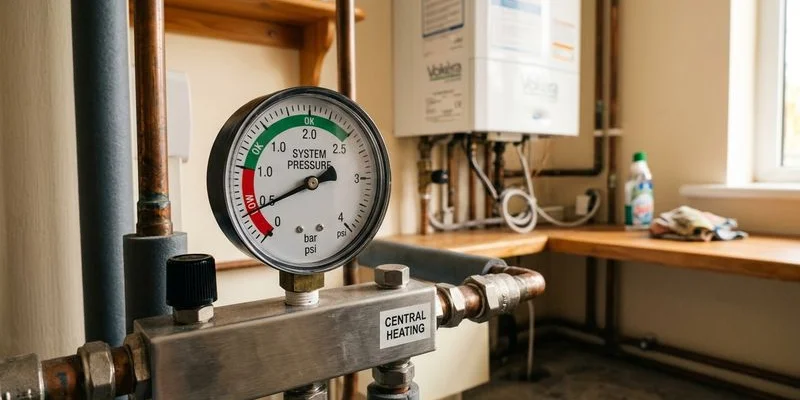
Our advice is to check your pressure gauge immediately. The needle should sit between 1 and 1.5 bar when the system is cold.
What to do: If bleeding radiators and repressurising the system fails to stop the noise, book a professional service. A qualified engineer needs to open the casing to diagnose the internal components safely.
2. The Boiler Keeps Losing Pressure
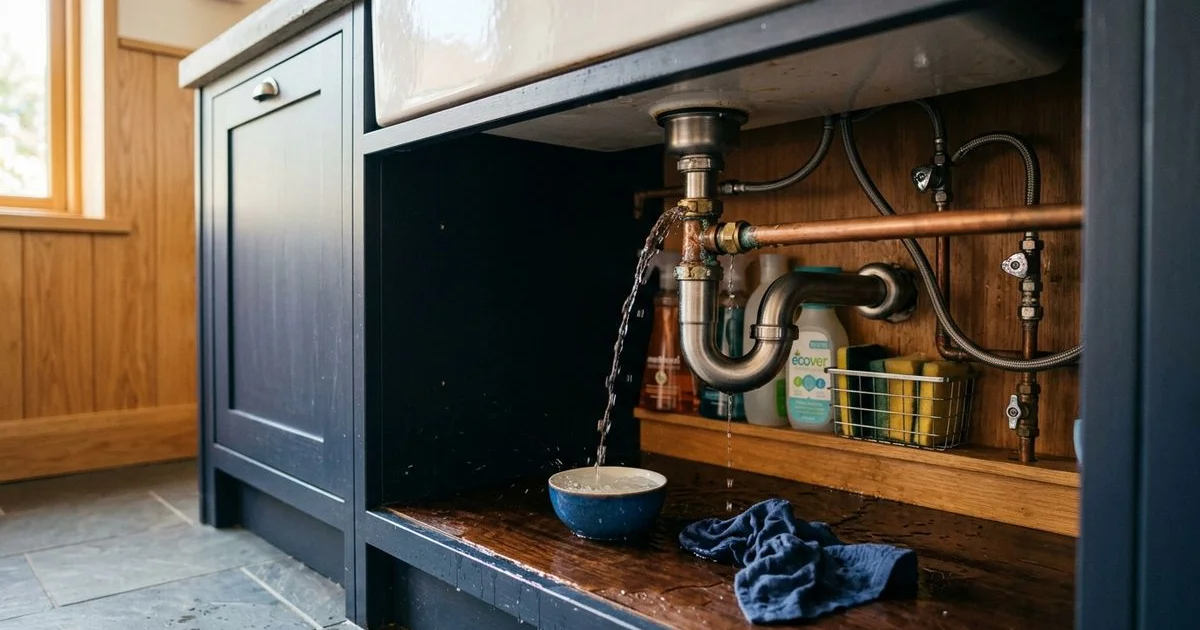
Our daily service logs show that pressure loss is a leading cause of winter breakdowns. Your system’s pressure gauge should remain steady between 1 and 1.5 bar. Finding yourself constantly topping up the system every few days means water is escaping somewhere.
Common culprits for consistent pressure loss include:
| Faulty Component | Description of the Issue |
|---|---|
| Radiator Valves | Even a tiny weep from a thermostatic valve causes gradual system pressure loss over time. |
| Pressure Relief Valve (PRV) | Designed to release excess pressure safely. A stuck open PRV will continuously vent your system water outside. |
| Expansion Vessel | Absorbs pressure changes as water expands. A perished internal rubber diaphragm prevents stable pressure control. |
| Heat Exchanger | Internal thermal cracks allow water to leak out, which sometimes drips visibly from the bottom casing. |
We strongly warn against using the filling loop to top up the pressure repeatedly. Adding fresh water constantly introduces new oxygen into the pipework. The oxygen reacts with steel radiators to accelerate internal corrosion, creating a black sludge called magnetite that ruins pumps and blocks valves.
What to do: Call a registered heating engineer to locate the leak immediately. DIY repairs are unsafe for internal pressure faults.
3. Radiators Are Not Heating Evenly
Our customers often complain about cold spots on their radiators during the first cold snap of the year. Uneven heating forces your burner to work harder to achieve the target room temperature. This extra strain increases component wear and directly drives up your fuel consumption.
Cold at the Top
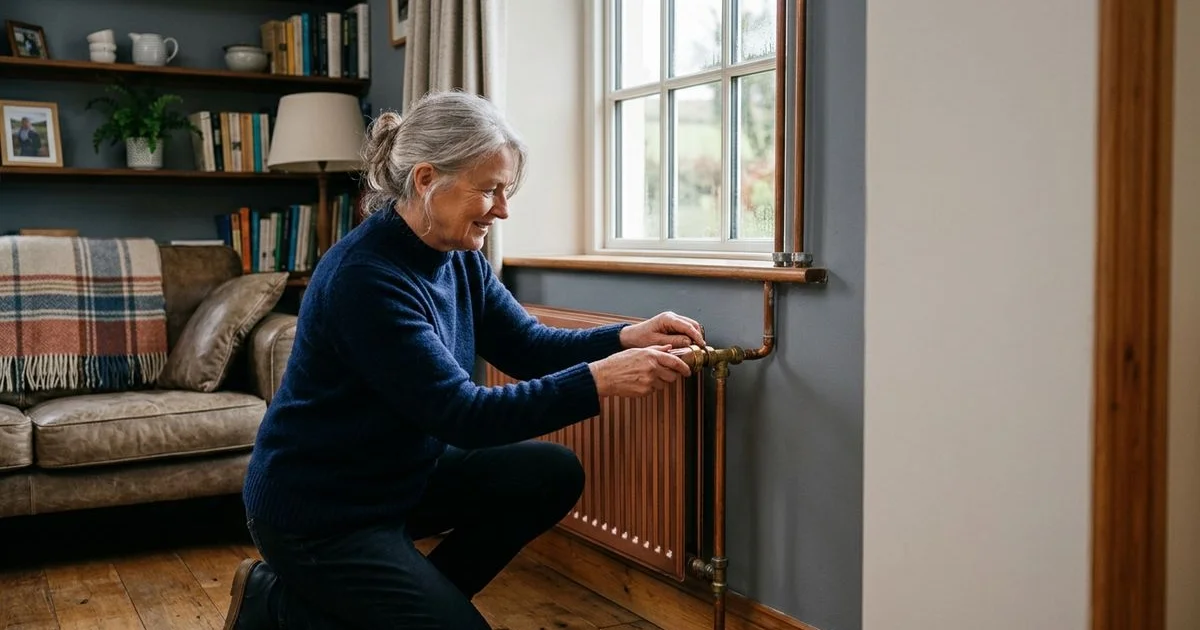
Radiators that feel warm at the bottom but freezing at the top suffer from trapped air. You can fix this easily with a standard radiator key. Open the small square bleed valve at the top corner until you hear a hissing sound, then tighten it the second water begins to drip out.
Cold at the Bottom
Finding heat at the top while the bottom remains cold points to a much more serious circulation blockage. Magnetite sludge and metallic debris settle at the bottom of the steel panels. This thick mixture of rust, dirt, and limescale physically blocks hot water from circulating through the lower channels.
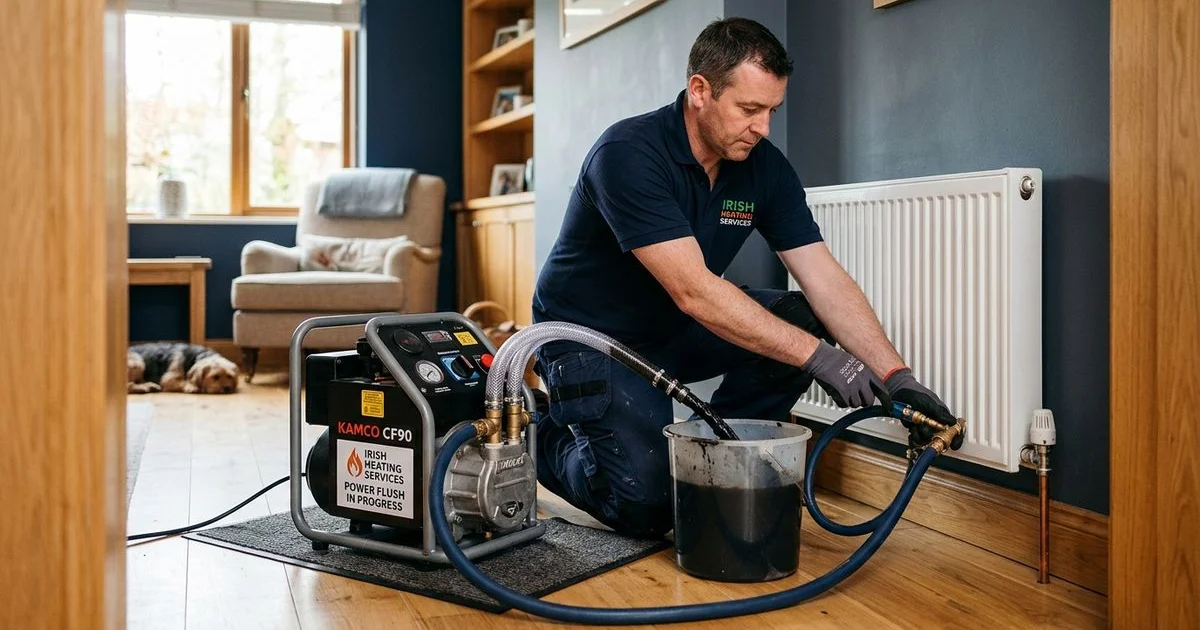
We highly recommend a professional power flushing service to resolve severe magnetite blockages. A machine pumps high-velocity water combined with heavy-duty cleaning chemicals, like Sentinel X400 or Fernox F3, through every pipe. The flush clears out the stubborn debris and fully restores the original heating efficiency.
Some Radiators Completely Cold
Discovering one specific radiator is completely cold while the rest work fine usually means a stuck thermostatic radiator valve (TRV). TRVs often seize up after sitting in the closed position for months over the summer. Removing the plastic TRV head and gently tapping the exposed metal pin can free the stuck mechanism.
What to do: Bleed your radiators before taking any other action. If the cold spots remain, contact us about a heating system service or powerflush.
4. Your Energy Bills Have Increased Noticeably
Our energy assessments reveal that older heating systems are a massive drain on household finances. A sudden jump in fuel consumption without a change in your daily routine points straight to a severe drop in mechanical efficiency. As components age, they simply require more fuel to generate the same amount of heat.
Several specific faults cause a rapid spike in running costs:
- Sludge buildup: Restricts thermal transfer inside the primary heat exchanger.
- A failing circulation pump: Prevents heated water from moving quickly to the radiators.
- Faulty thermostats: Run the burner much longer than necessary to reach room temperature.
- Short cycling: The burner fires up for a few minutes, shuts off, and restarts repeatedly. This wastes massive amounts of gas or oil and destroys the ignition unit.
We always remind homeowners to look at the Sustainable Energy Authority of Ireland data regarding appliance efficiency. Modern A-rated condensing units operate at 90% efficiency or higher. An appliance older than 15 years often drops down to 70% efficiency or worse. This efficiency gap means you are literally wasting 30 cents out of every euro spent on fuel.
What to do: Have the system serviced and ask the engineer to perform a combustion efficiency test. Upgrading an old, inefficient unit often makes more financial sense than paying for continuous repairs. If you need an upgrade, investing in a new boiler installation will drastically cut your monthly fuel bills.
5. The Boiler Is Showing Error Codes or Locking Out
Our engineers use digital error codes as the fastest way to diagnose a broken system. Modern safety mechanisms shut down the entire unit to prevent fires, gas leaks, or fatal carbon monoxide exposure. A digital display flashing an error code requires immediate attention.
Common lockdown triggers include the following faults:
- Ignition failure: The burner simply fails to light. For example, popular models like Worcester Bosch display the “EA” fault code when the spark electrode fails or the gas valve blocks.
- Flue blockage: Debris, bird nests, or frozen winter ice blocks the external exhaust pipe.
- Overheating: The internal water temperature exceeds safe limits, triggering an emergency shutdown.
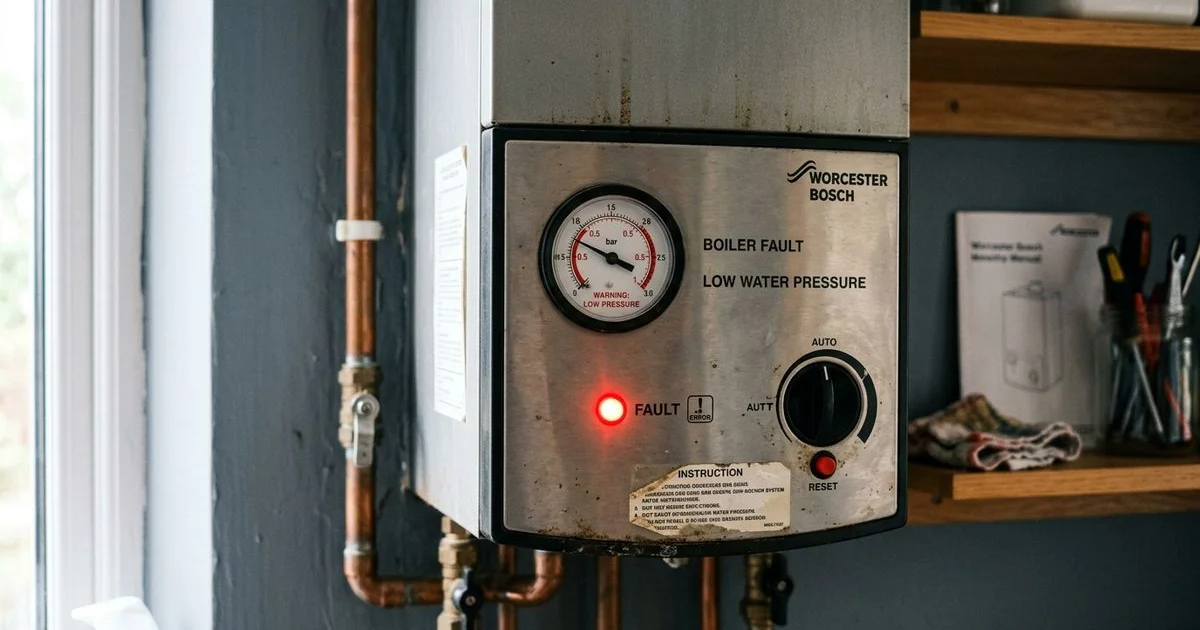
- Low water pressure: The internal pressure switch detects a drop below 0.5 bar.
- Fan failure: The exhaust fan that pushes toxic gases outside stops working.
We find that pressing the reset button can sometimes clear a temporary glitch. Repeated lockouts indicate a permanent underlying fault that requires a registered technician. Bypassing safety switches or repeatedly forcing a restart creates an extremely dangerous environment.
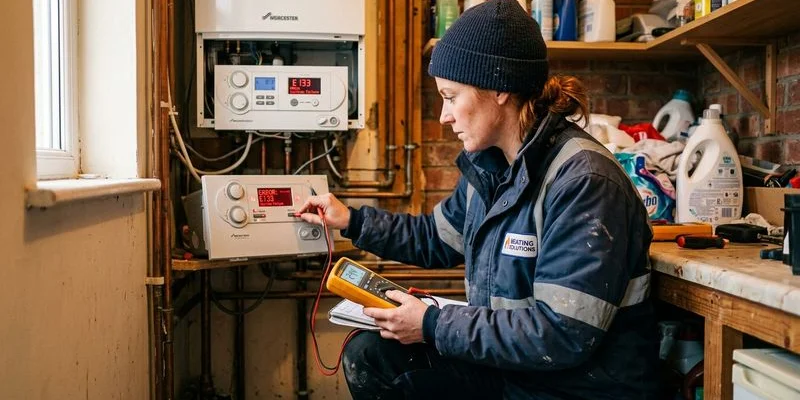
What to do: Write down the exact error code or take a quick photo of the screen. Call a qualified professional to investigate the specific fault code safely.
Final Thoughts on the 5 Warning Signs Your Boiler Is About to Break Down (And What to Do)
Our customers frequently ask us whether they should fix their current setup or buy a brand-new appliance. Making the right financial choice depends heavily on the age of your system and the frequency of recent breakdowns.
A standard repair usually makes sense if the unit is less than ten years old. Replacing a single broken pump, motorized valve, or thermostat is a cost-effective solution for a relatively young appliance.
We strongly advise considering a full replacement if your unit is over 12 to 15 years old. Frequent breakdowns quickly drain your bank account. According to 2026 Irish market data, an average repair callout costs between €120 and €150 just for the inspection. Spending €300 to €400 annually to patch up an old non-condensing model is a poor financial strategy.
The upfront cost of replacing a system varies based on your fuel type:
| System Type | Average 2026 Installation Cost in Ireland | Best Use Case |
|---|---|---|
| New Gas Boiler | €2,500 to €5,500 | Urban homes connected to the natural gas grid seeking high efficiency. |
| New Oil Boiler | €2,700 to €5,400 (including labour) | Rural properties without a mains gas connection. |
We provide comprehensive oil boiler replacements and gas boiler replacements right across the Midlands. Assessing your current pipework allows us to recommend the most efficient A-rated unit for your specific property layout.
Do Not Wait for a Complete Breakdown
Our final piece of advice is to act the moment you notice a change in your heating system. Losing all your heat and hot water at 10 PM on a freezing January night is a miserable experience. Understanding the 5 warning signs your boiler is about to break down (and what to do) gives you total peace of mind before the harsh winter weather arrives.
Booking a proactive service stops minor issues from escalating into major emergencies. Spotting a small fault today prevents a catastrophic component failure tomorrow.
If your appliance is exhibiting any of these symptoms, please contact Emergency Plumber Athlone to book a thorough inspection. We will accurately diagnose the underlying issue and provide a transparent, honest assessment of your options. Your safety is paramount, so every repair and installation is completed to the highest possible standards.
Prevention always costs less than emergency crisis management.
This article was written by the team at Emergency Plumber Athlone, RGI registered plumbing and heating engineers providing boiler repair, servicing, and installation across Athlone, Westmeath, Roscommon, and East Galway since 2015.
Emergency Plumber Athlone
Plumbing & Heating Engineers
The team at Emergency Plumber Athlone have been providing dependable plumbing and heating services across County Westmeath, Roscommon, and East Galway since 2015. RGI registered and fully insured.
RGI Registered Gas Installer